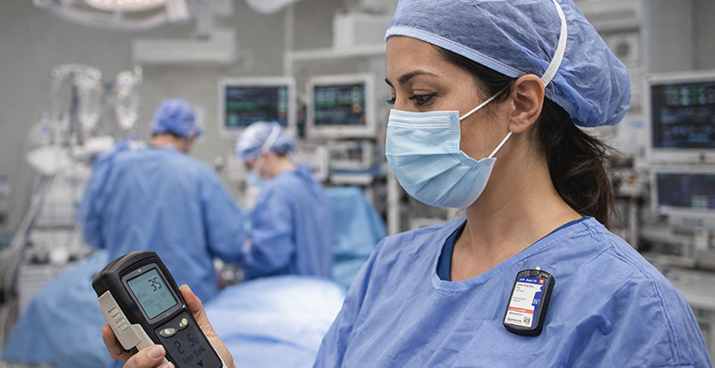
Applications of dosimeters: measure, understand, and control exposure
Dosimeters play a central role in radiation protection by enabling the measurement of exposure to ionizing radiation, ensuring regulatory compliance, and adapting practices to real-world conditions. Used across a wide range of industries, they address complementary needs: worker monitoring, environmental monitoring, and workplace assessments.
Different challenges depending on your organization
Dosimetry needs vary depending on whether you choose an accredited service or operate your own laboratory equipment. In the first case, the focus is on service reliability, regulatory compliance, and ease of management. In the second, the objective is to control the entire measurement process, with greater requirements in terms of equipment, expertise, and quality assurance.
These two approaches address different frameworks and constraints. It is therefore essential to adopt solutions tailored to your organization to ensure reliable, compliant, and fully actionable results.
Applications dedicated to dosimetry laboratories Applications dedicated to LANDAUER dosimetry services
A comprehensive approach to radiation protection
By combining personal dosimetry, area monitoring, and workplace assessments, dosimeters are part of a comprehensive risk management strategy. They help ensure regulatory compliance, operational safety, and the continuous improvement of professional practices.
Dosimetry Services – Applications
⏷⏷⏷
Worker monitoring: protecting every employee
Wearing personal dosimeters is mandatory whenever a worker is likely to be exposed to ionizing radiation. This monitoring enables precise measurement of received doses and ensures compliance with regulatory limits.
Depending on the activity, dosimetry may cover:
- the wholebody,
- extremities (fingers, wrists, etc.),
- or the eye of lens.
It applies across many sectors such as medical, nuclear, industrial, as well as veterinary and inspection activities.
Beyond regulatory compliance, the dosimeter is a key tool for prevention and decision-making for employers and occupational physicians.
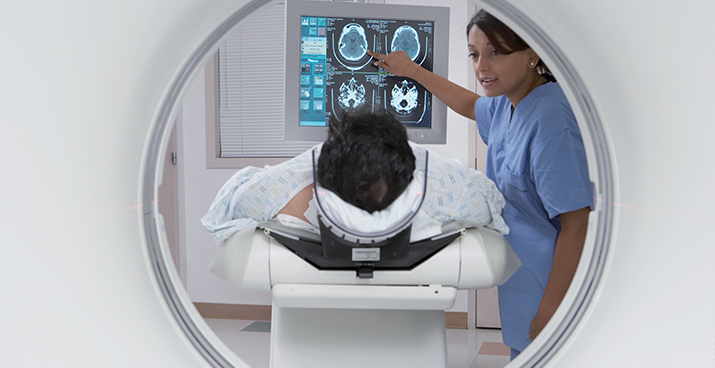
Area dosimetry: monitoring environments
In addition to individual monitoring, area dosimetry is used to control radiation levels in workplaces and surrounding areas. It aims to verify installation compliance and detect any anomalies, such as shielding defects or leakage.
These measurements are carried out continuously over defined periods (monthly or quarterly) in order to:
- secure regulated and accessible areas,
- protect both workers and visitors,
- ensure the effectiveness of prevention measures.
It does not replace personal dosimeter but complements it to provide a comprehensive view of exposure risks.
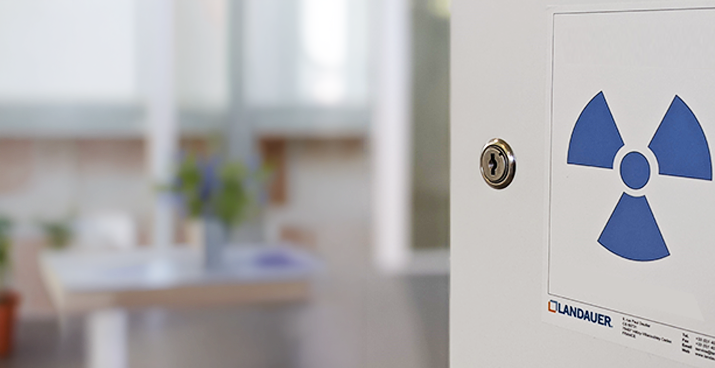
Workstation study: analyzing to better adapt protection
Workplace assessment is a key step in evaluating the risks associated with an activity and defining the most appropriate radiation protection measures. It enables worker classification, selection of suitable dosimeters, and determination of monitoring conditions.
Through targeted measurements (whole body, extremities, lens of the eye, neutrons, etc.), it provides a detailed understanding of real exposure in the field and enables:
- adjustment of equipment and wearing positions,
- optimization of practices,
- strengthening of operator safety.